
VIBRATED BRUSHING VB
Choosing the correct Anodizing code is not just a matter of color code but also of finish type, which goes well beyond LP gloss or ARC matte.
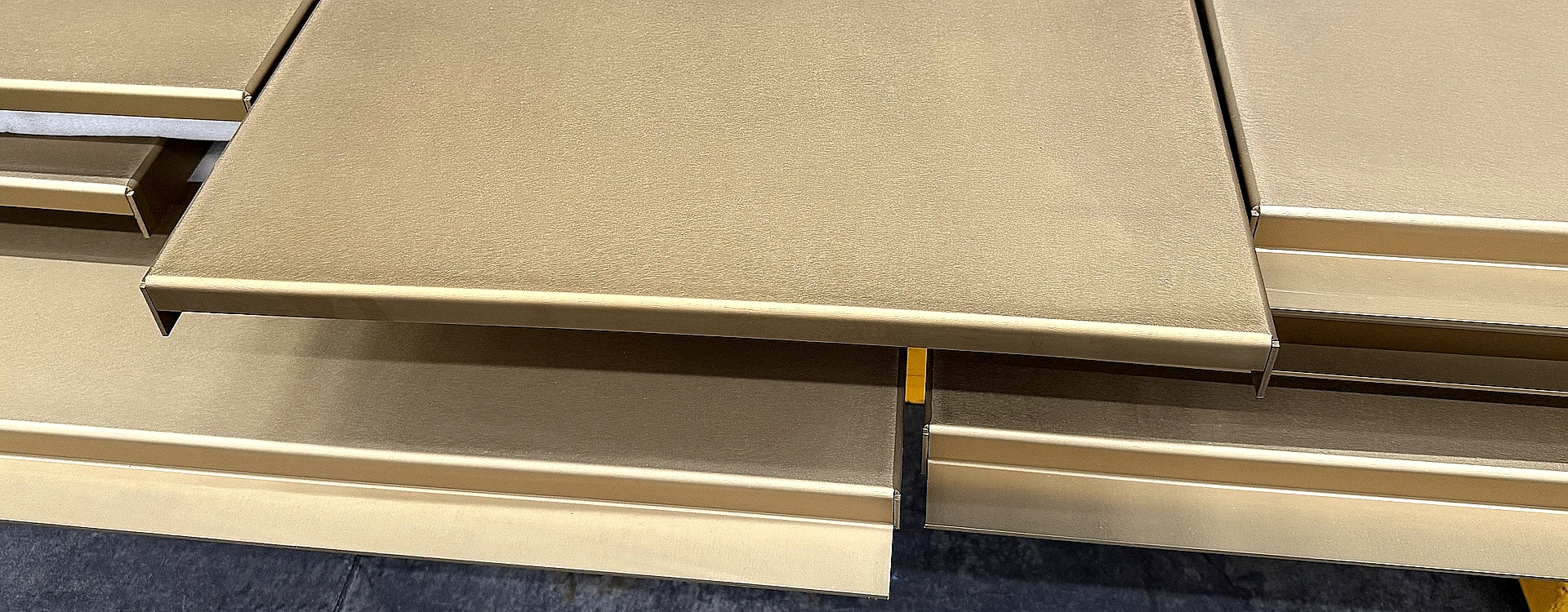
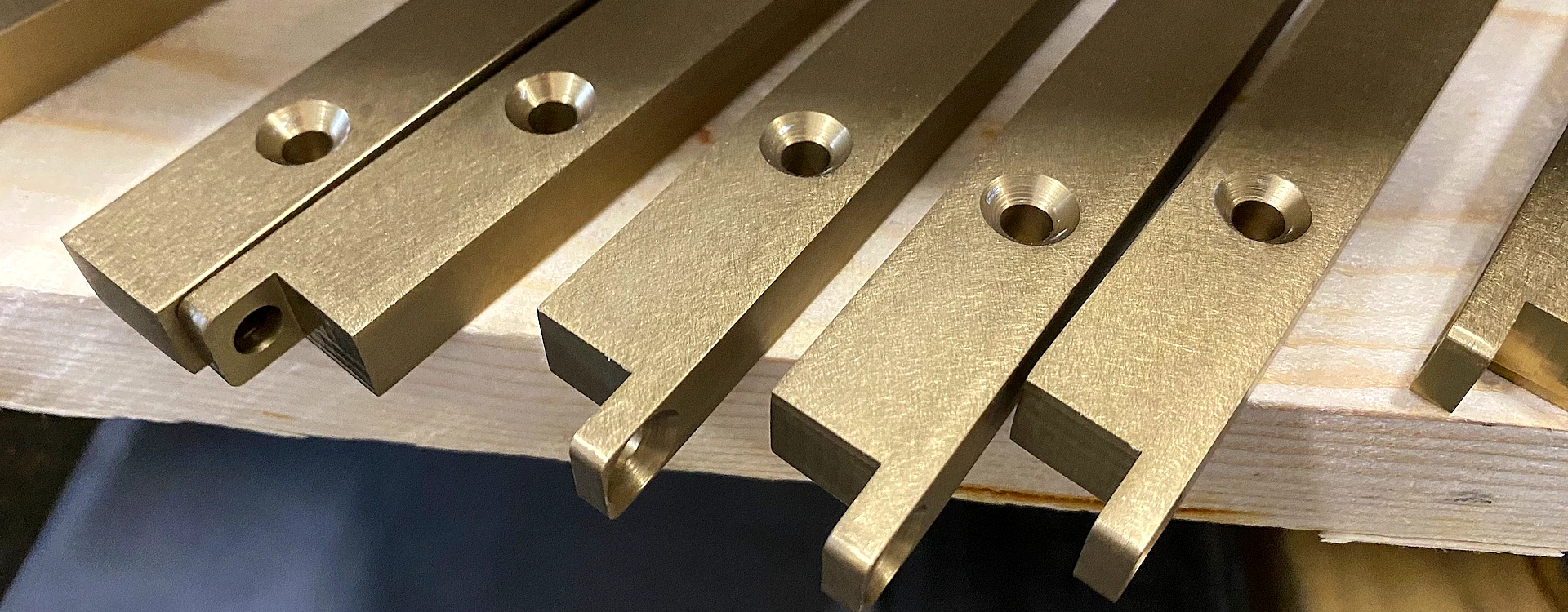
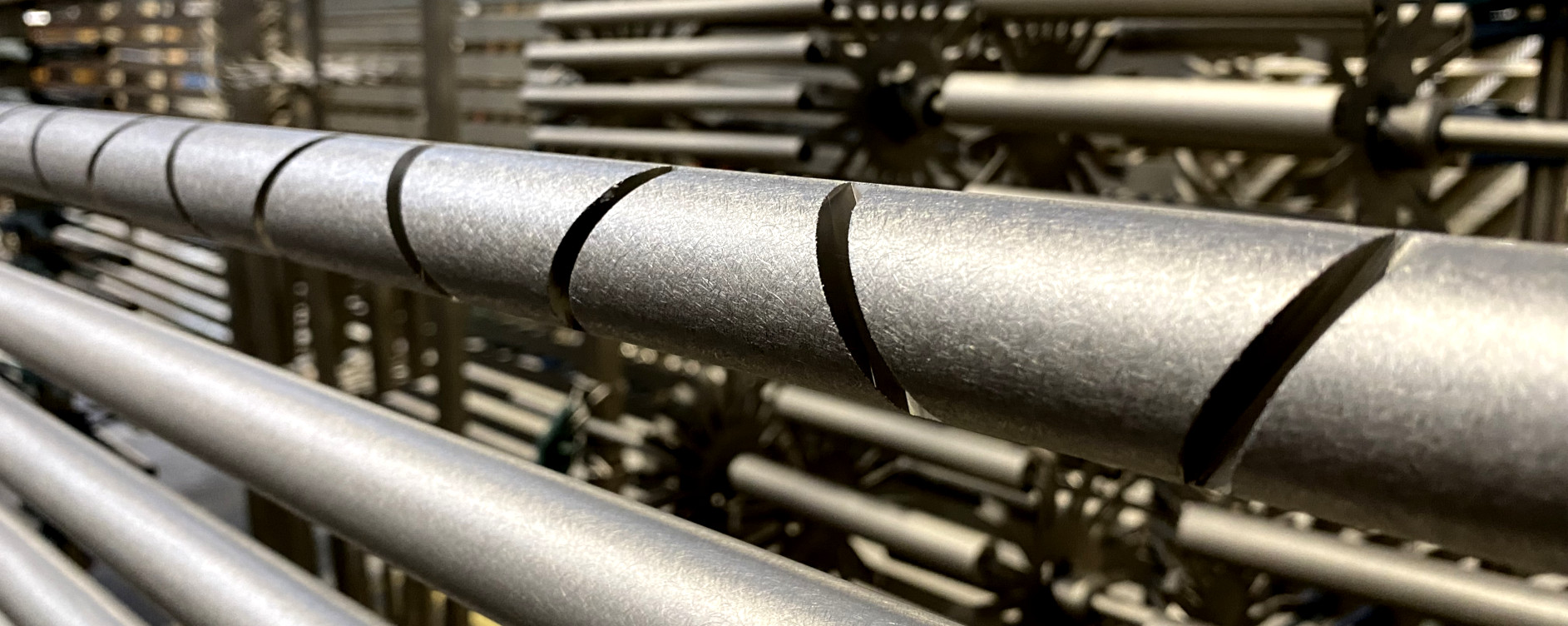
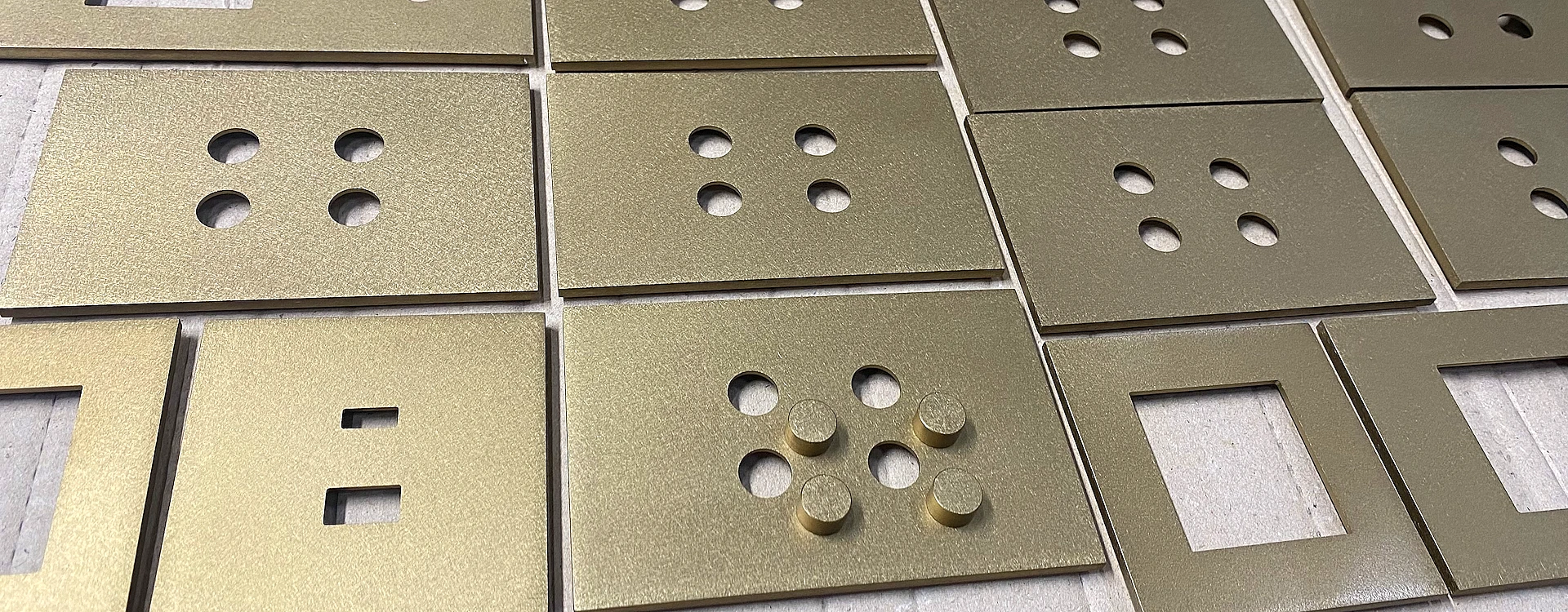
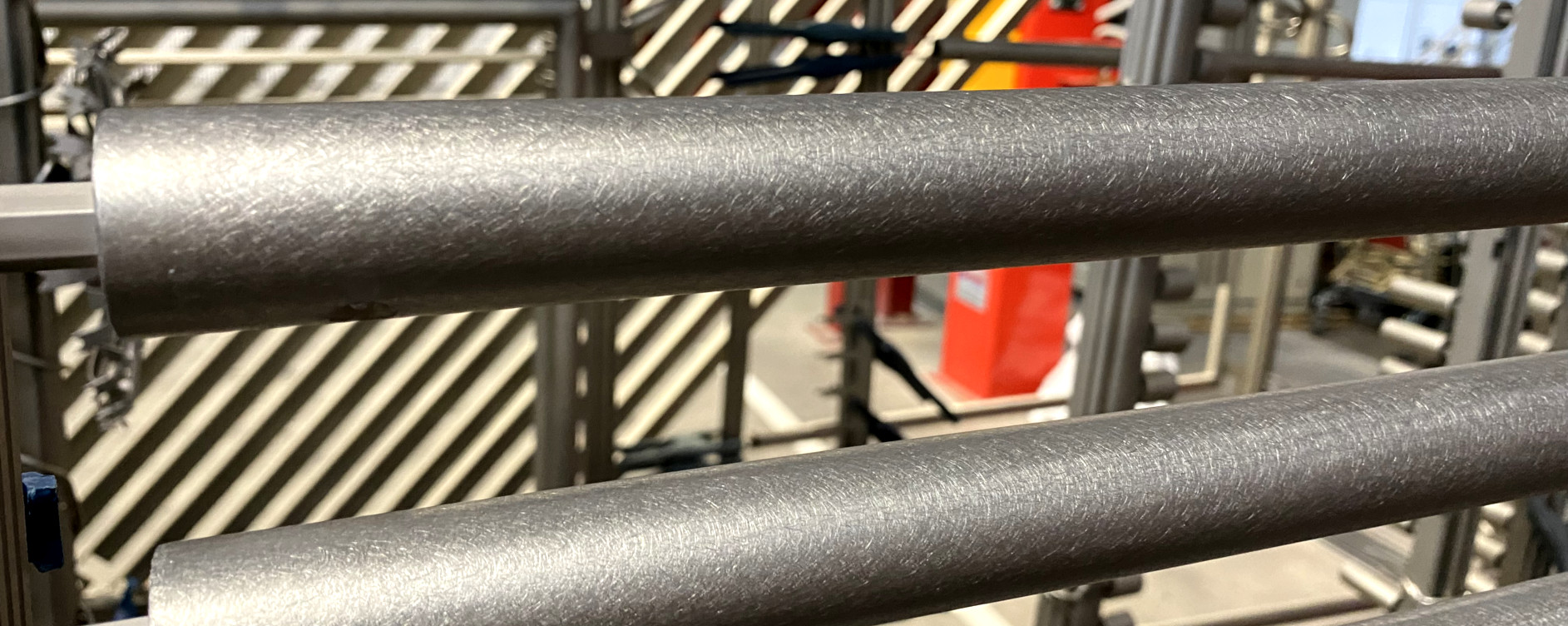
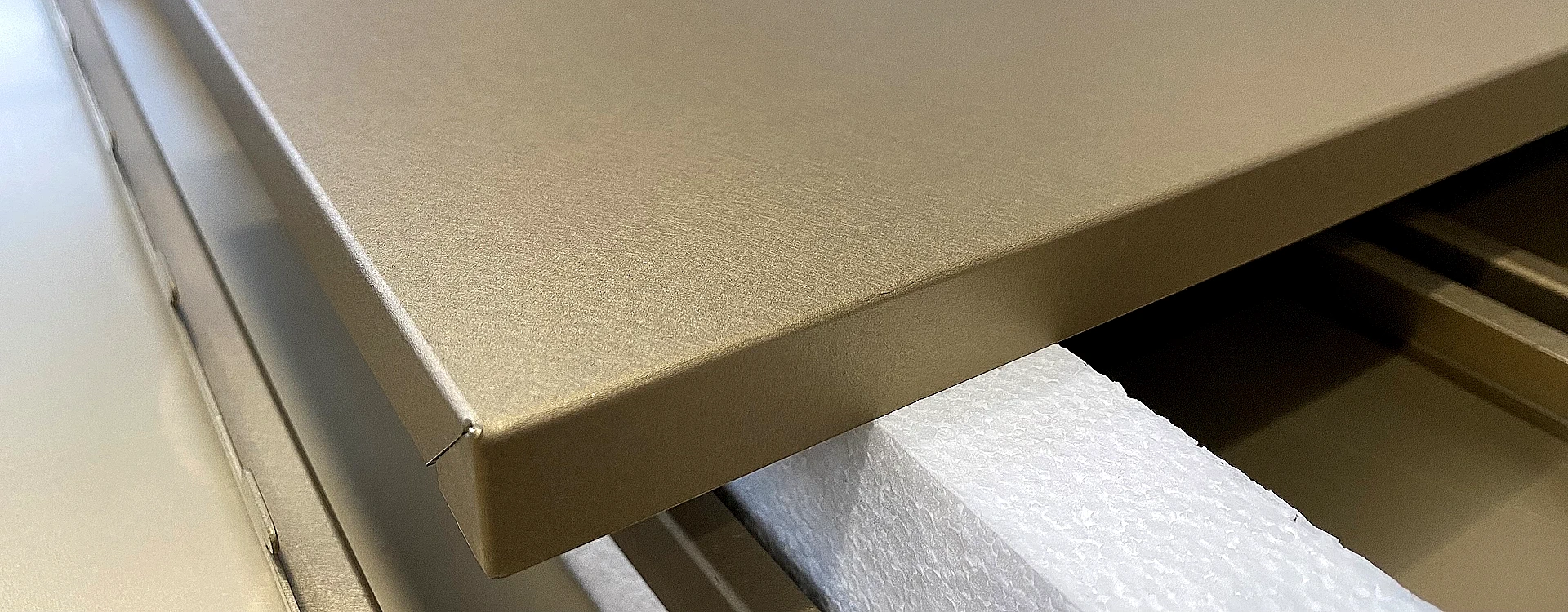
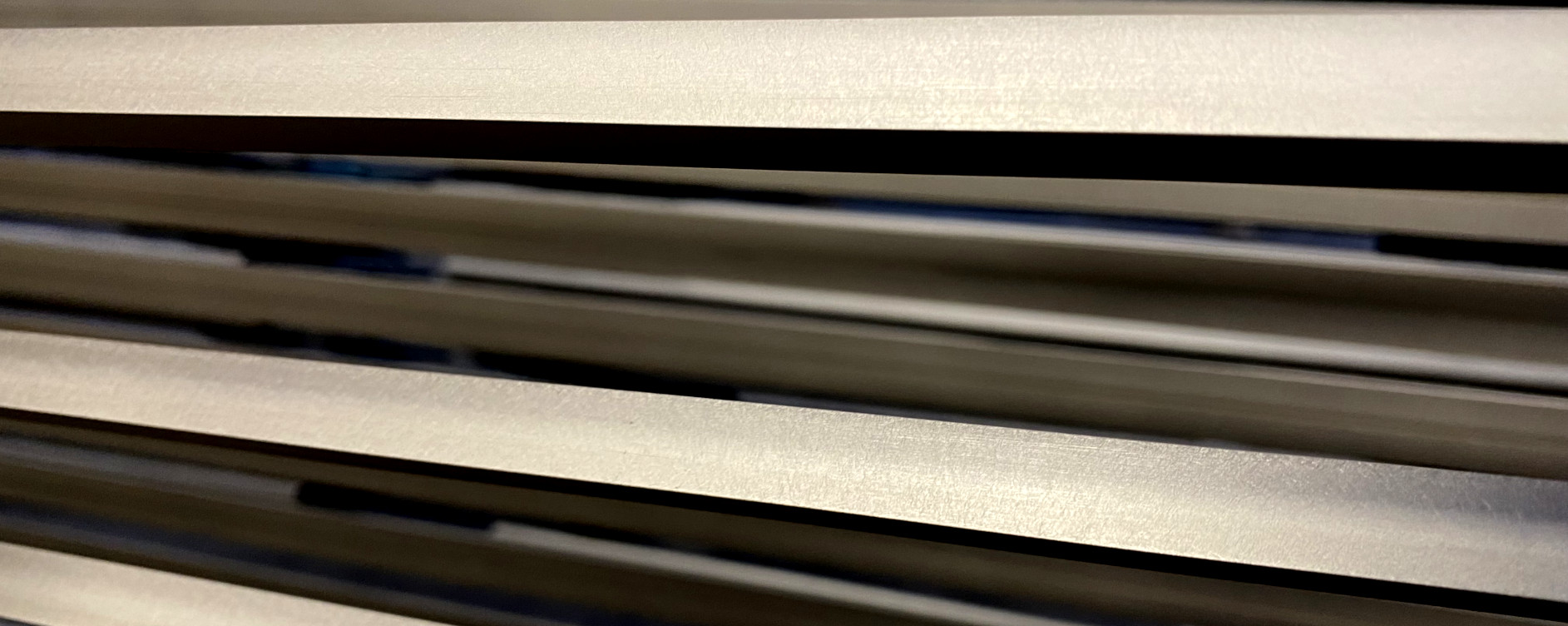
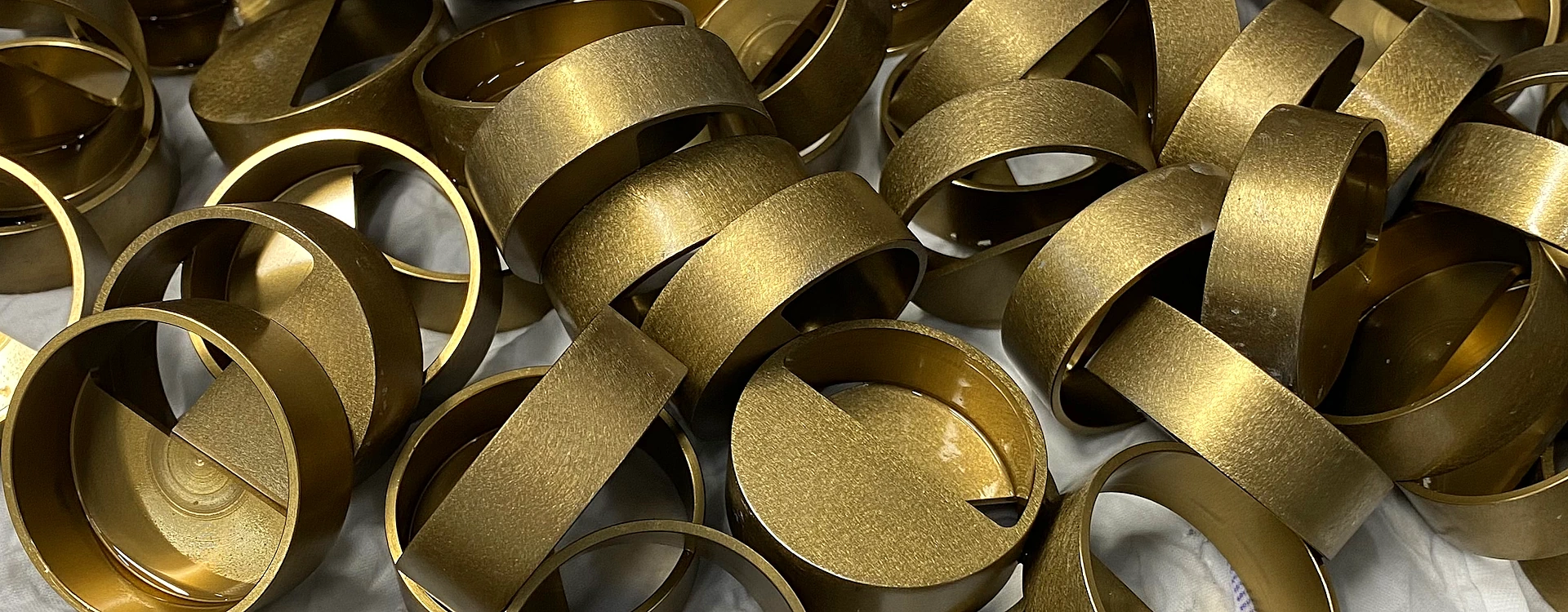
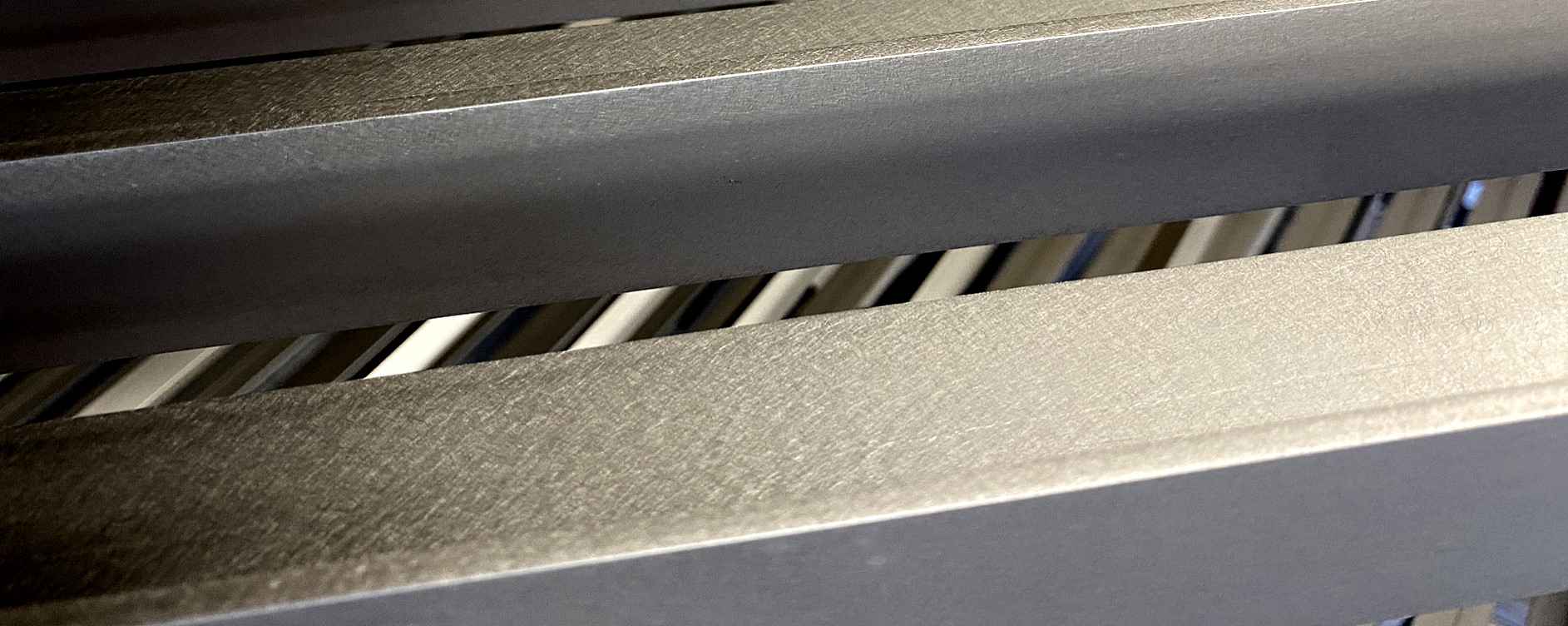
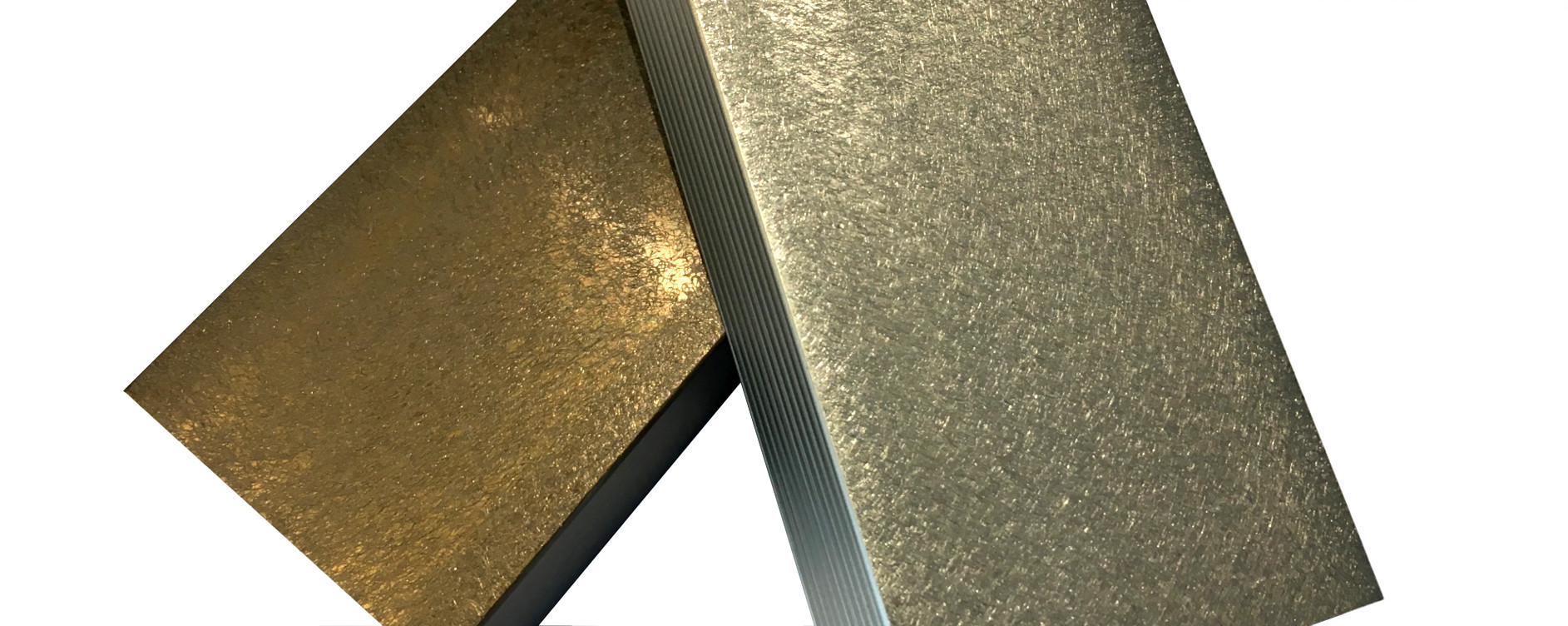
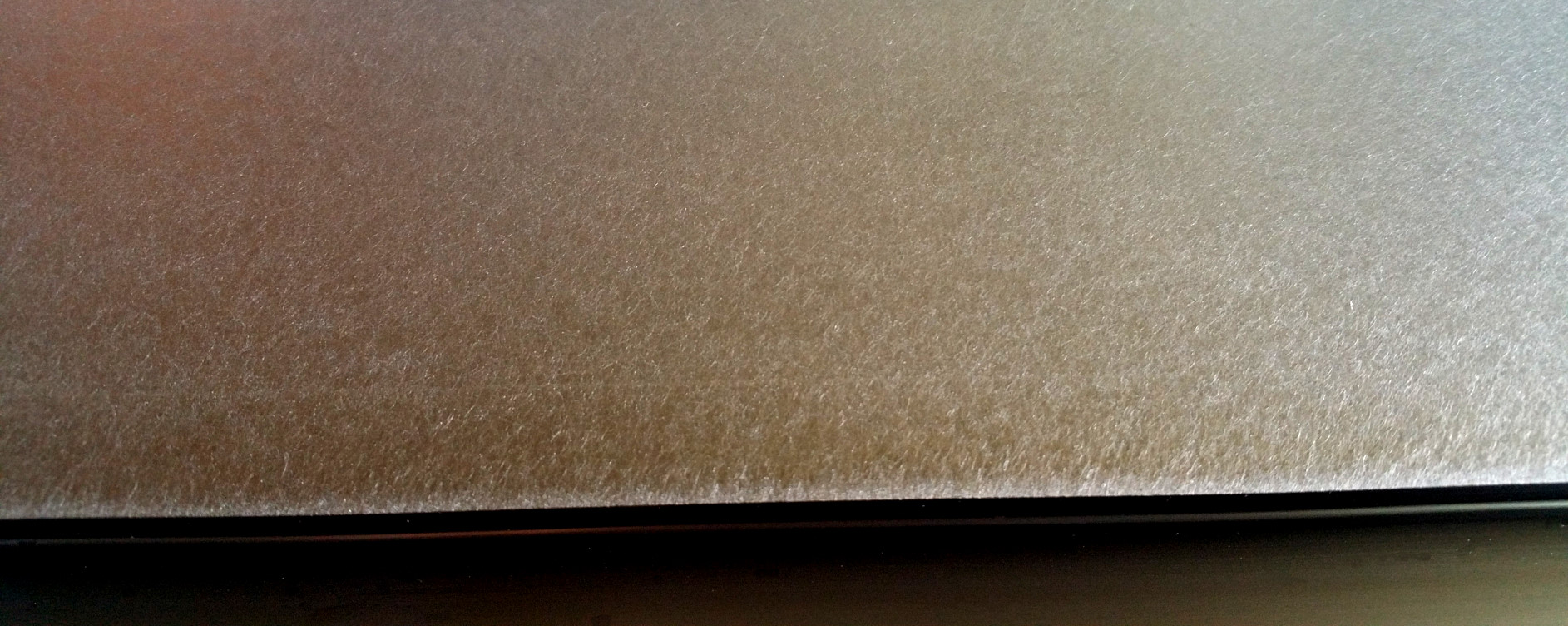
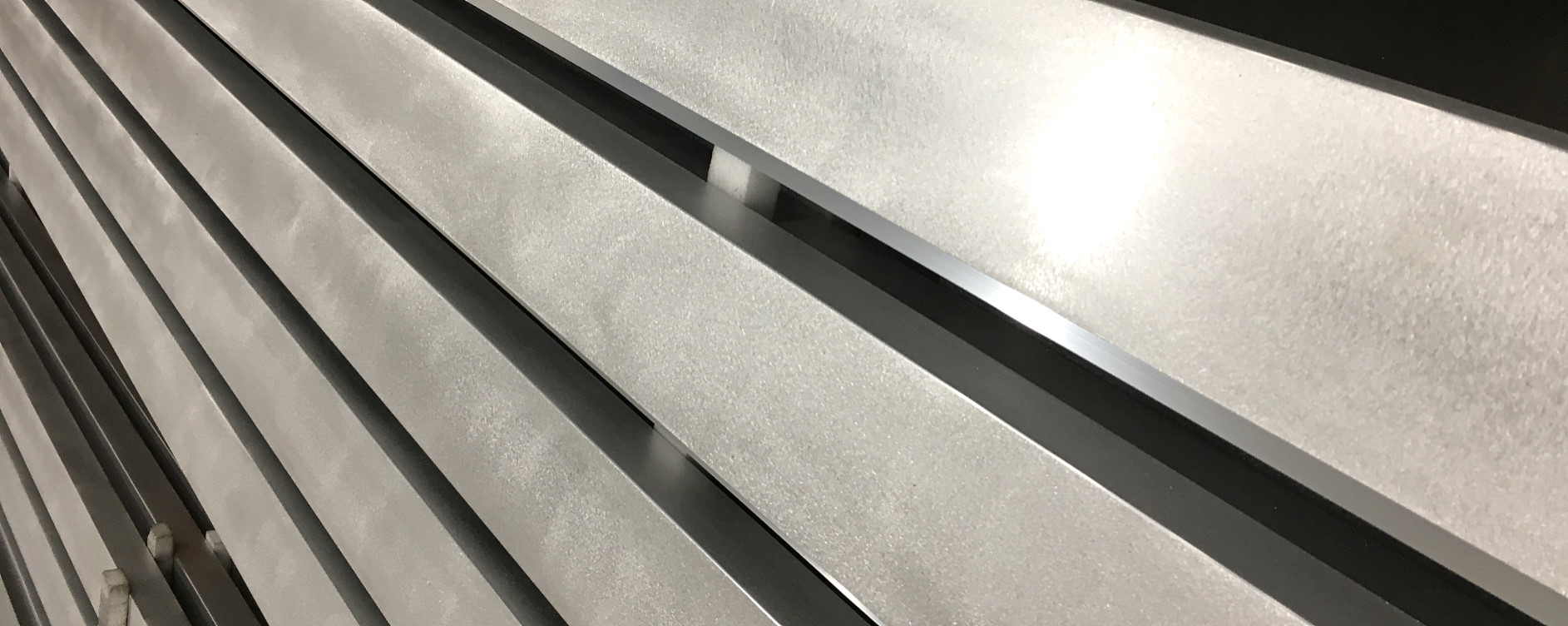
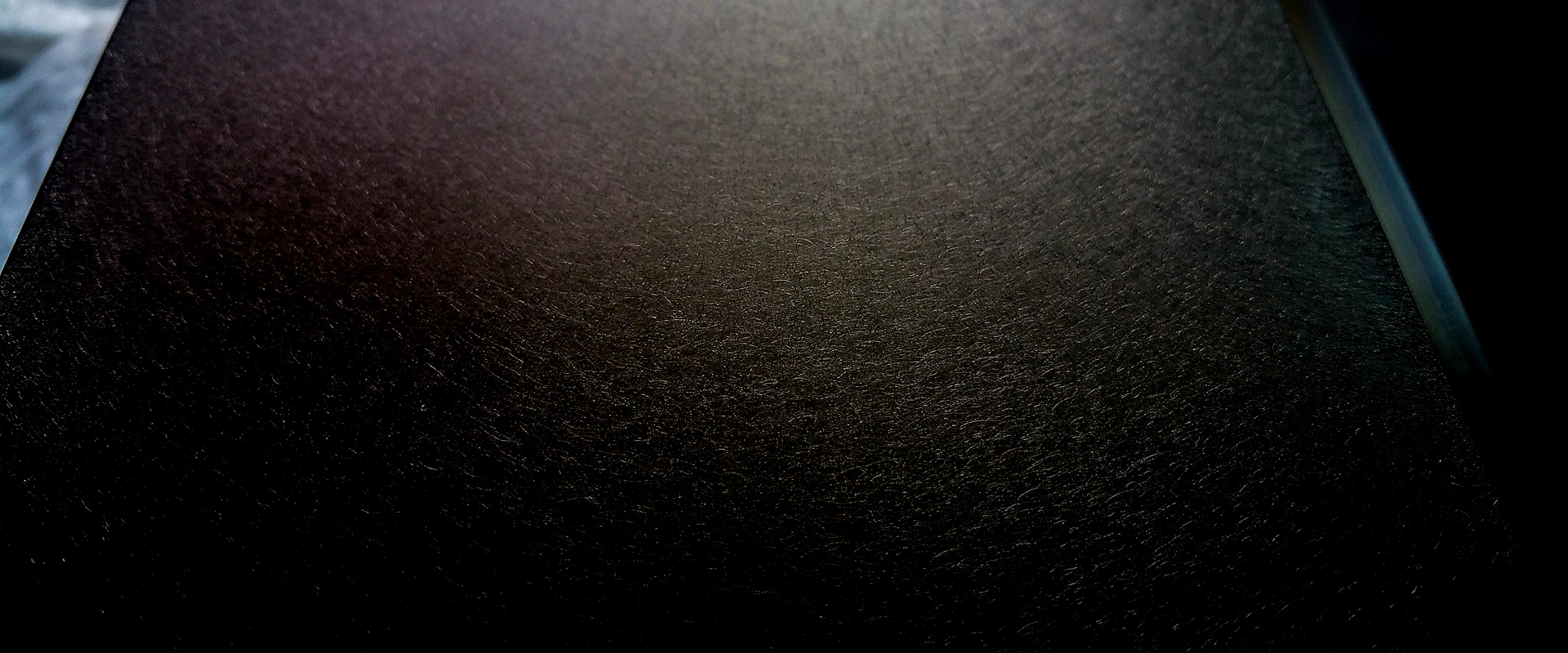
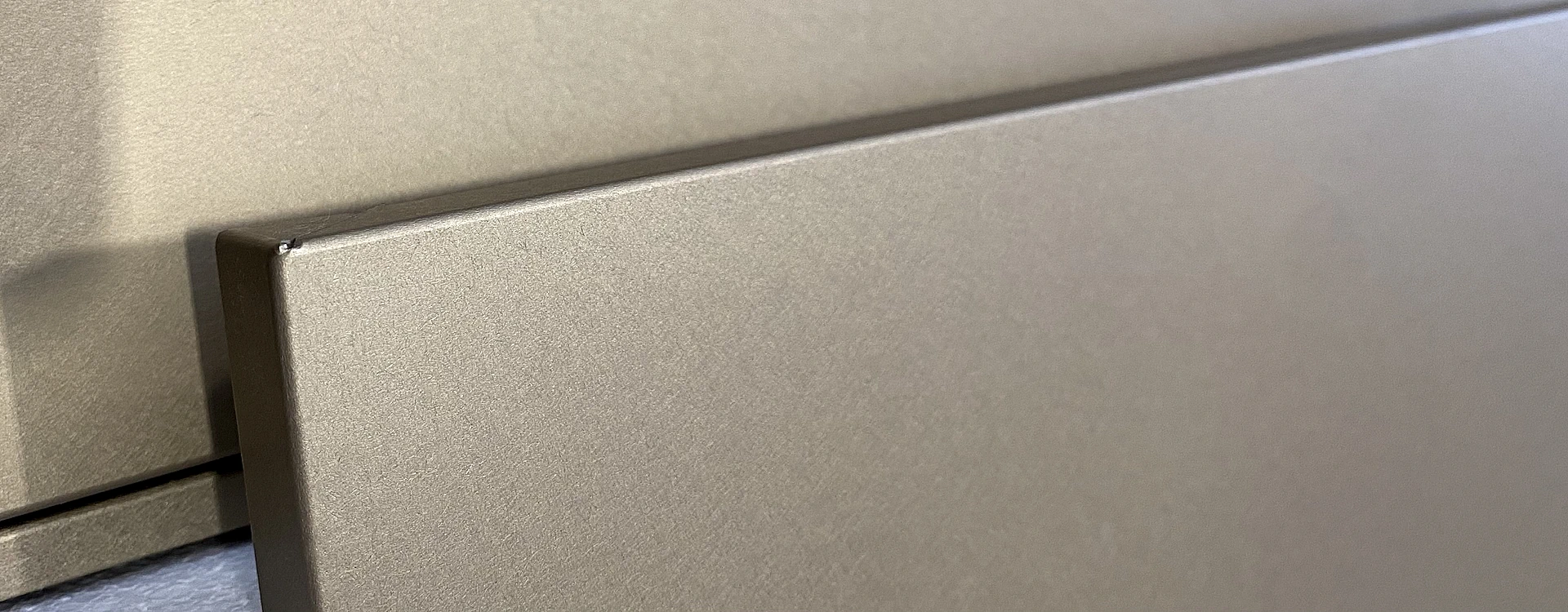
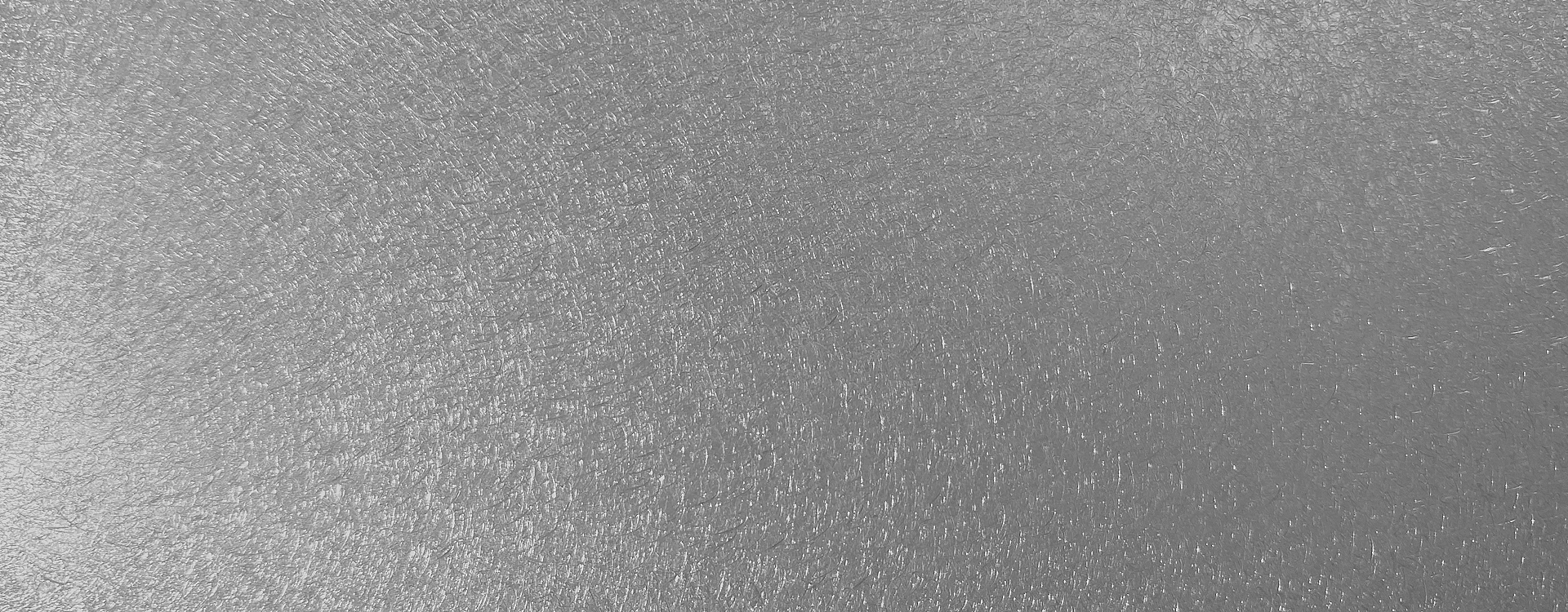
One of the matte finishes, obtained through mechanical processing, is Vibratad Brushing, which is particularly appreciated because it gives the aluminum surface a material effect that is not completely uniform.
The merits of this finish on anodized aluminum are many:
- resistance to atmospheric agents
- resistance to UV rays
- resistance to frequent handling
- impact resistance as an integral part of the surface
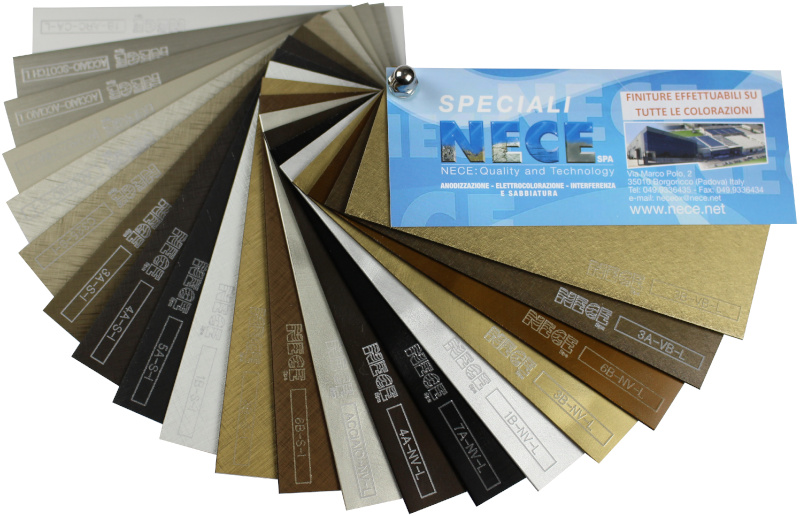
In the Samples SPECIALI there are only two examples: Bronze 3B-VB and Burnished 3A-VB, but in reality the Vibrated Brushing can be created on the entire vast range of NECE colors.
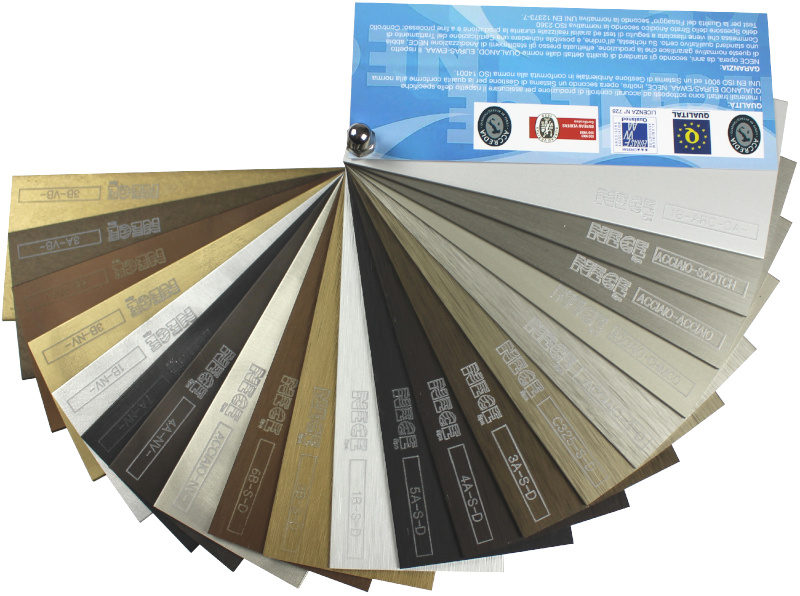
To protect the anodized surface, the Anti-Scratch Treatment coded with -L can be applied: see 3B-VB-L and 3A-VB-L.
Vibrated Brushing is used in the following sectors:
- precision mechanics
- structural profiles
- technical profiles
- custom-made profiles
- architectural
- public buildings
- design
- lighting engineering
NECE is equipped to carry out this brushing on:
- flat sheets
- extruded profiles
- components
- small parts
The preparation of the aluminum surface can be mechanical with the finishes:
The preparation of the aluminum surface can be chemical with the finishes:
- ARC chemical matting
- ZERO CHIMICO light matting
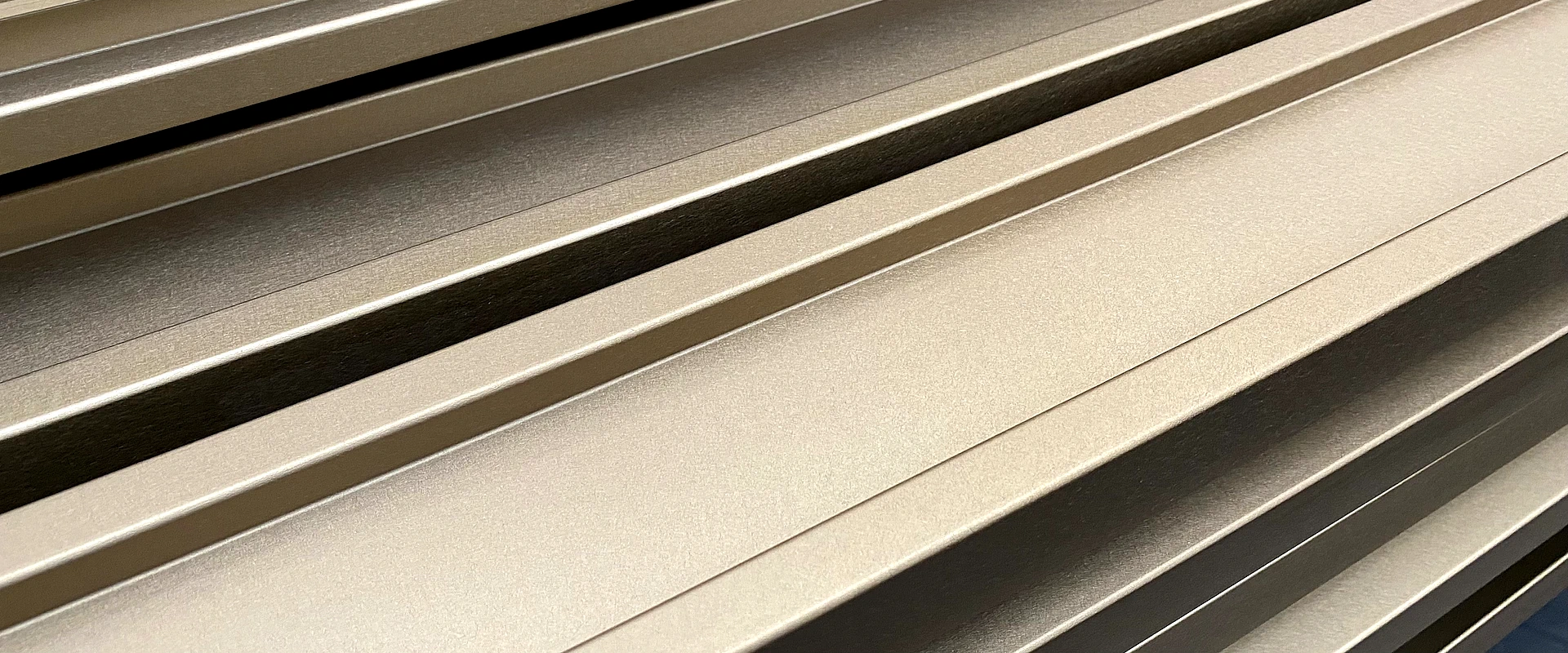
For example, the Bronze 3B-VB color with Vibrated Brushing gives the aluminum surface an antiqued Brass/Bronze effect.
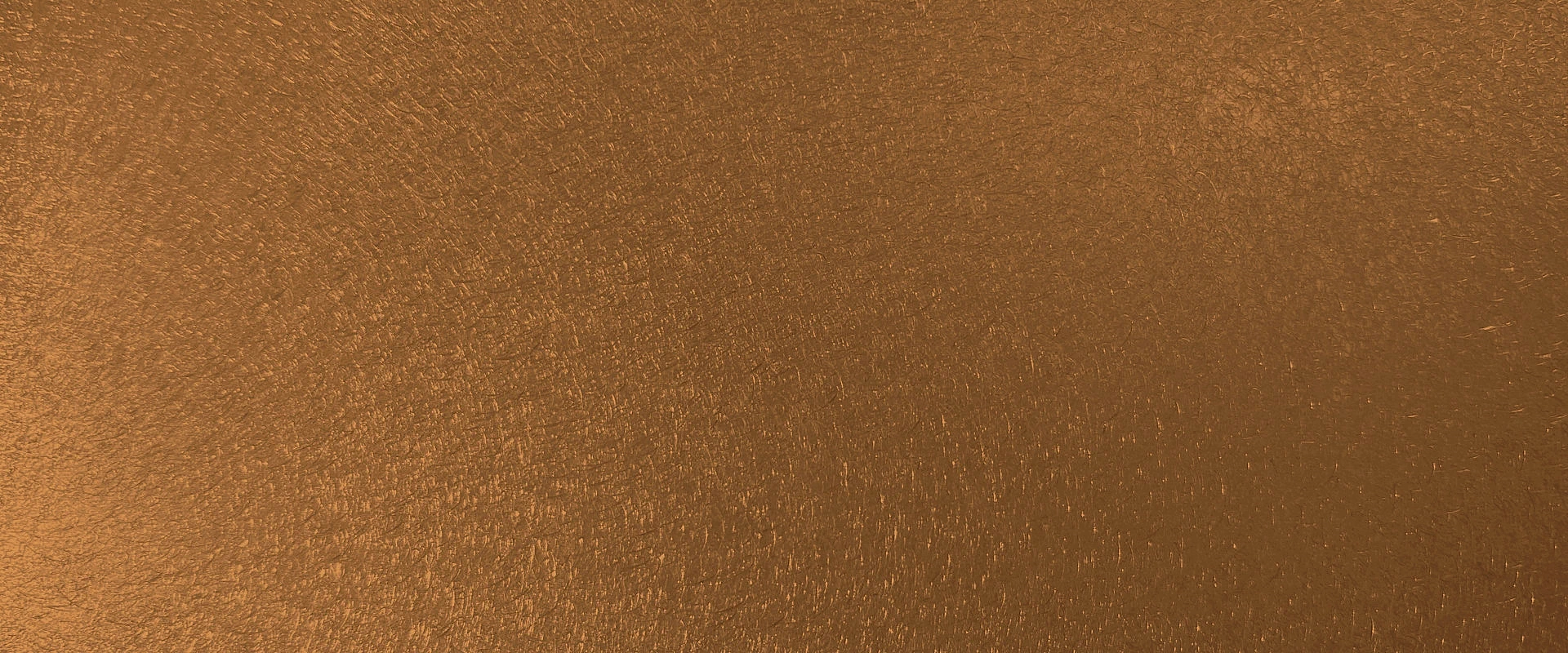
With the Dark Brown 6B-VB tone, the effect obtained is of Corten type.
The Black 7A-VB produces an Industrial, burnished black iron effect.
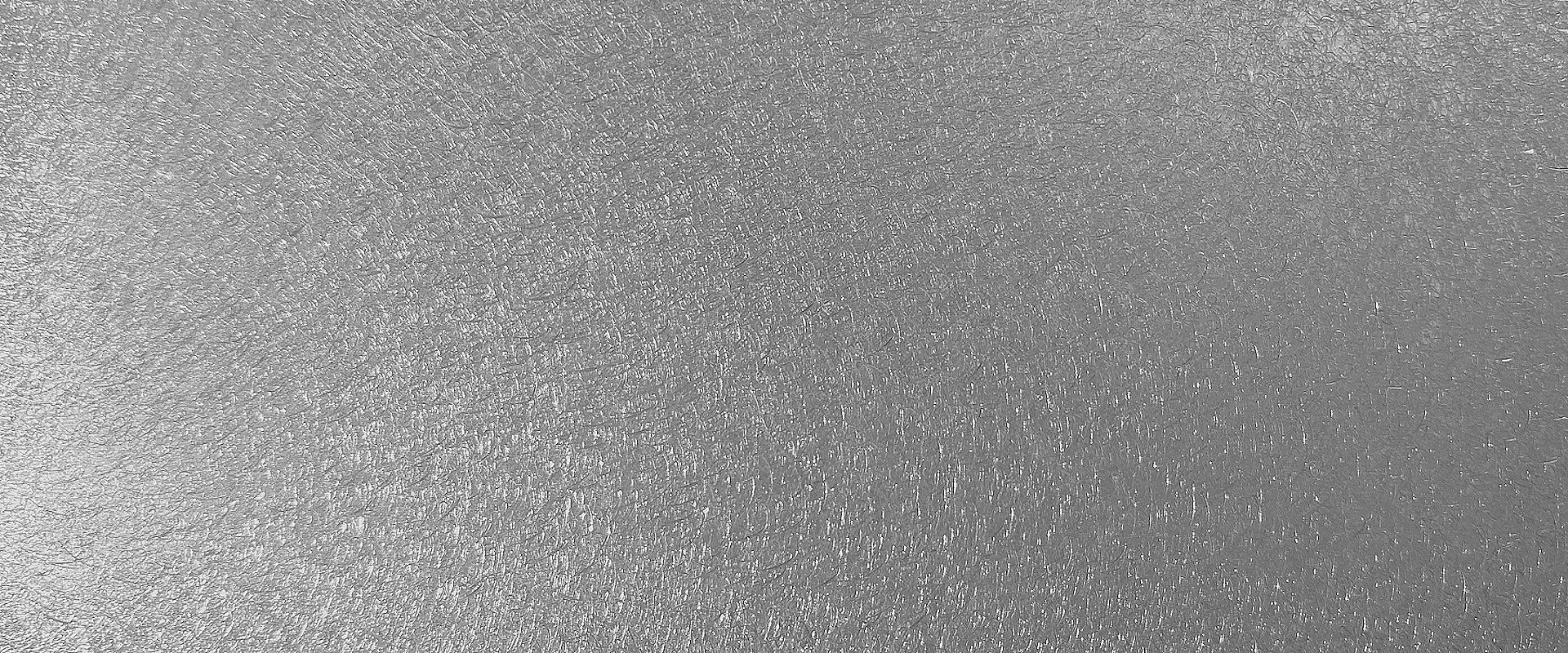
The most commonly used color in Anodizing is Silver 1-B, which, when combined with vibratory satin finishing, produces a material effect that is both attractive and unusual, making it very popular with interior designers.
Depending on the application of the anodized product, the oxide layer can be class:
- 5 μm: for interiors without frequent handling
- 10 μm: for interiors
- 15 μm: for externals
- 20 μm: for exposition to aggressive atmosphere
- 25 μm: for exposition to particularly aggressive atmosphere
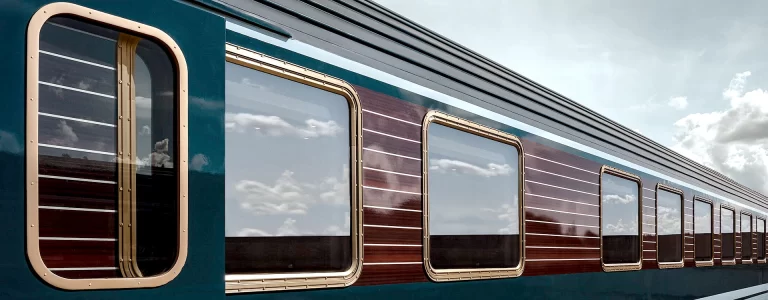
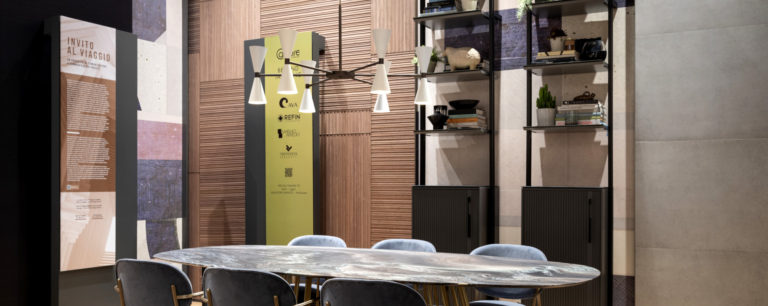
REALIZATIONS
For more information: